


Most wallets are much bigger than they need to be. In trying to give equal access to every card, every receipt, and every coin accumulated since 2019, they’ve become the pocket brick. Choosing a better one is one of the simplest changes you can make to what you carry every day. The minimalist wallet market was valued at USD 1.26 billion in 2025 and is projected to reach USD 1.7 billion by 2030.
Why a Slim Wallet Makes Sense in 2026
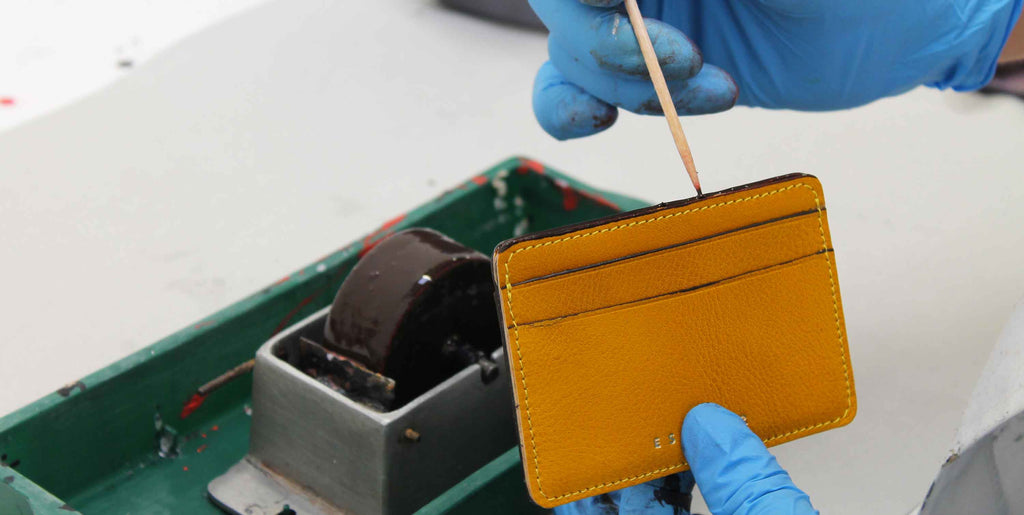
The structural shift toward cashless payments has permanently changed what a wallet needs to do. By 2026, minimalist wallets are expected to represent 30 to 38% of total wallet volume in the US. The premium segment, priced between €50 and €150, is growing at 9 to 12% a year, faster than any other wallet category.
3 Things to Look For in a Wallet
1. Flat or folded bills
Work out how often you actually use cash, and choose accordingly. In an increasingly cashless world, most people need far less bill storage than they think.
2. The right number of card slots
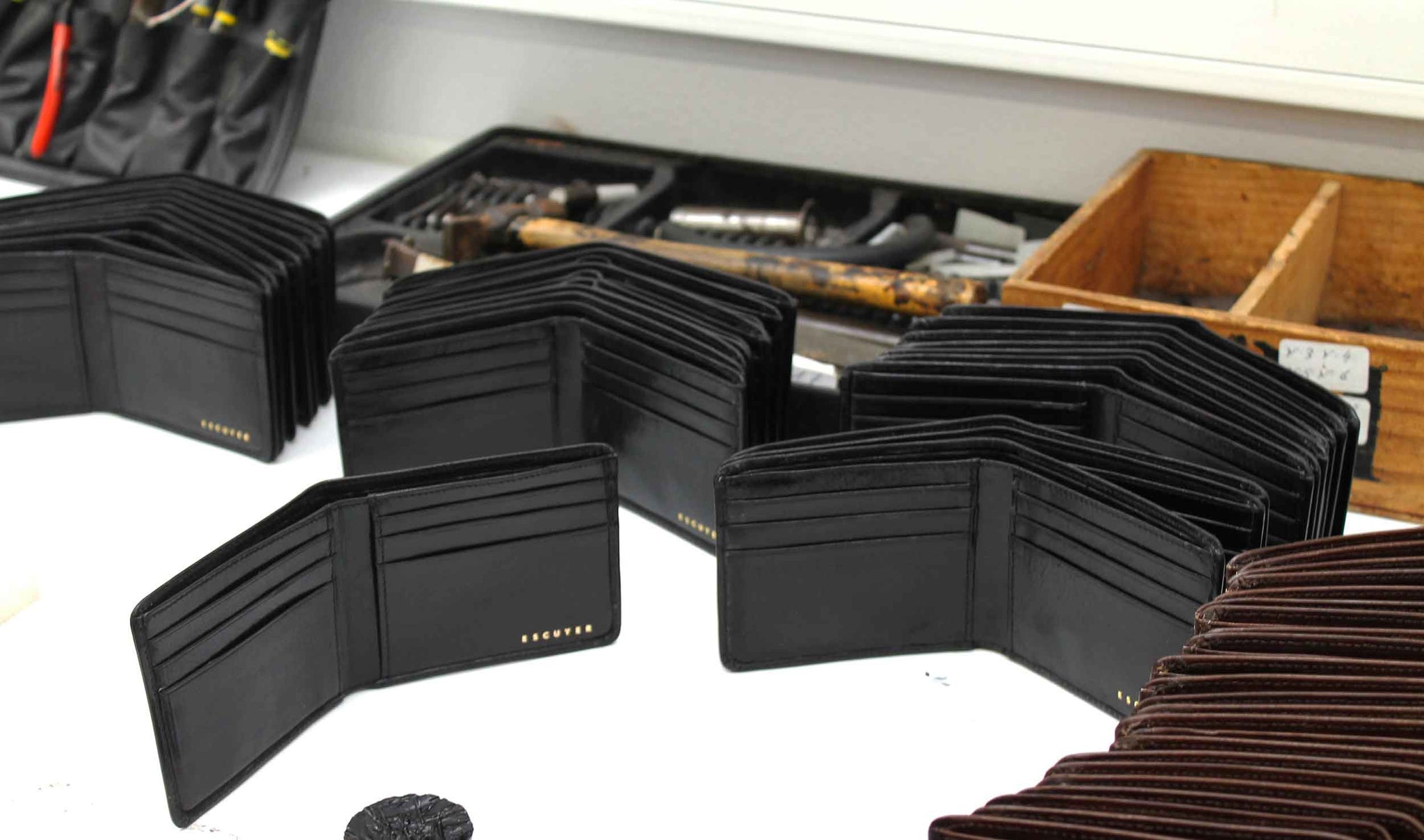
Start with an honest audit of how many cards you actually carry daily, and choose a wallet built around that number.
3. Thickness over size
A slim, well-constructed wallet in thin-grade leather will sit almost flat in a front pocket. Escuyer’s handmade cardholders and slim wallets, crafted from vegetable-tanned Italian leather in Portugal, are built around this principle.

3 Things to Avoid
1. Excessive card slots
Every separated card slot adds a layer of air and a layer of leather to your wallet’s volume.
2. Thick leather
Your wallet doesn’t need to withstand industrial abuse. Good wallet makers choose thinner, higher-grade leathers that age well.
3. A coin section
Coins are the enemy of the slim wallet. They stretch the leather, stress the seams, and add weight disproportionate to their value.
Why Escuyer Wallets Are Worth It
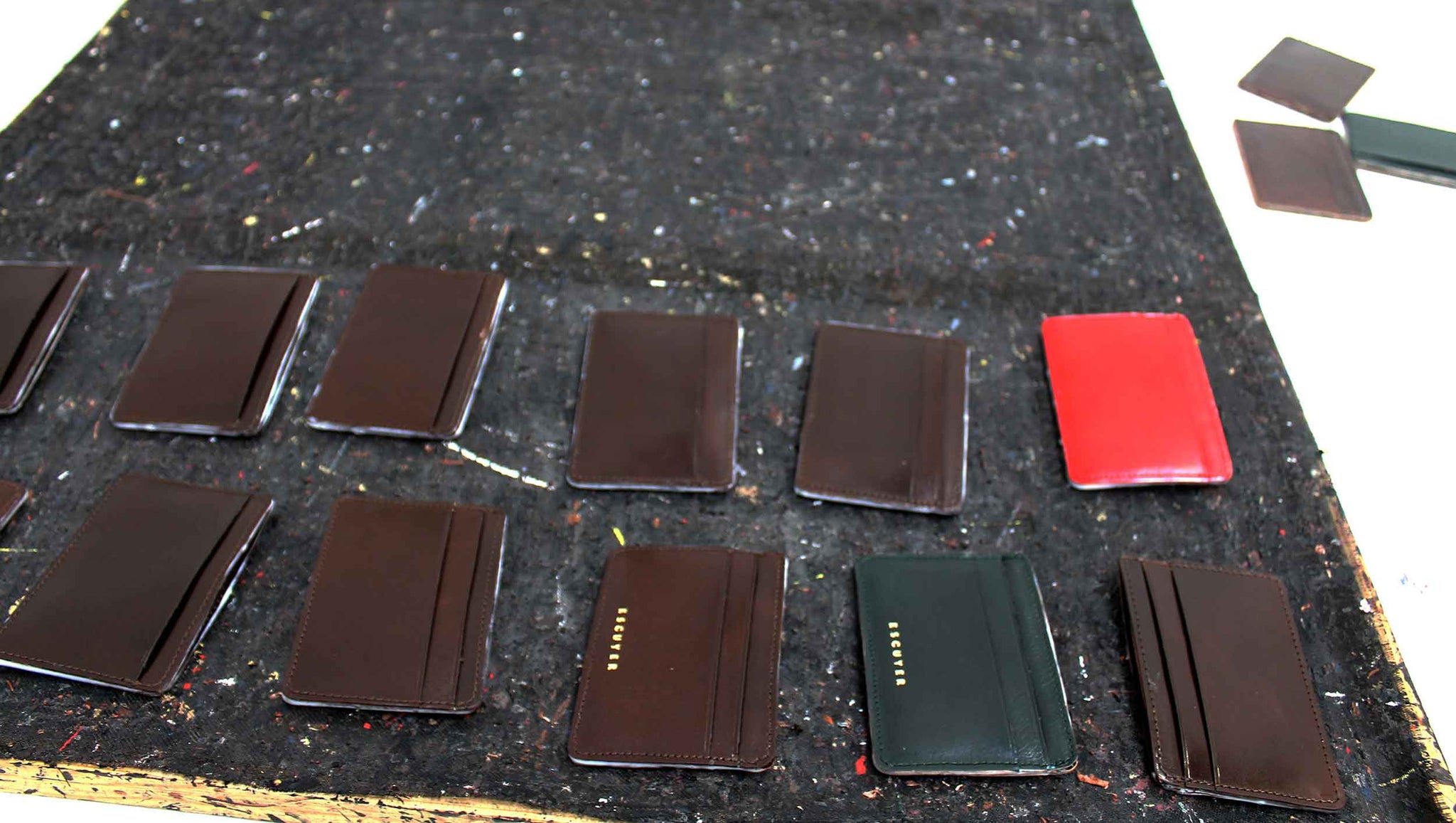
Every Escuyer wallet is made by hand in a single atelier in Portugal, from vegetable-tanned leather from Tuscany, Italy; the hand-dyed camouflage models are the one exception and use a different leather. Made in small batches using traditional techniques, each piece develops a natural patina over time, so it looks better after five years than on the first day.
Shop Escuyer Wallets and Cardholders
Explore the full Escuyer wallet and cardholder collection.


Questions we are asked
How many cards should you carry in a wallet?
As many as you actually used last week, which for most people is three to six. Every extra card adds 0.76 mm of plastic, plus a layer of leather if it has its own slot, so an honest count is the quickest way to a thinner wallet.
Is a minimalist wallet worth it?
Yes, if you mostly pay by card or phone. A minimalist wallet carries only what you use, sits flat in a front pocket and lasts longer, because nothing inside it is straining the leather or the seams.
Is thinner leather better for a wallet?
Usually, yes. Thick leather adds bulk without making a small wallet last longer, while a thinner, higher-grade hide keeps the wallet flat and ages well. Firm vegetable-tanned leather is a good choice because it stays thin and still holds its shape.
How long should a good leather wallet last?
A well-made vegetable-tanned leather wallet should last ten years or more with daily use. The leather darkens and softens rather than cracking, and careful stitching and finished edges keep it together through years of pockets.
How much does an Escuyer wallet cost?
Escuyer wallets cost from €55 for the Card Sleeve to €140 for the Billfold. The Cardholder is €75 to €85, and the Slim Wallet and Zip Wallet are €110 to €125. All are made in Portugal and come in a gift box.
Escuyer. Considered design, made to last.
Leave a comment